


Tariffs Are Here—Let’s Break It Down
Well, folks, it’s official: as of today, March 4, 2025, the tariffs are in effect. Yep, they’re no longer a threat; they’re a reality, and they’re shaking things up. I’ve been hearing tariffs tossed around in conversations lately, and it’s clear not everyone knows what they mean or how they’ll hit us and your businesses. I typically steer clear of political debates—I’d rather keep things light—but with this news, it’s worth exploring how to navigate the tariff effect in a simple, clear, and maybe even slightly fun way. (Although there’s nothing fun about tariffs—they hurt!) Picture this: back in early February, I’m on a much-needed vacation, unwinding in a hot tub on the 15th deck of a Norwegian cruise ship. The ocean’s sparkling, I’ve got a tropical drink in hand, and I’m all about relaxation—until two older-than-middle-age guys start yapping about tariffs. They chuckle about Canadians being upset over “paying taxes,” and I quietly think, “They’re missing the bigger picture.” I could’ve weighed in, but opted for peace instead, murmuring, “It does impact both sides,” before politely excusing myself. Vacation was for relaxing, not debating.
What Are Tariffs, Anyway?
Now, here we are, tariffs in full swing. So, what are they? A tariff is a tax slapped on imported goods by the government, meant to protect local industries—or fill government coffers—but it often raises prices for everyone. I’m not diving into the “why” behind them—everyone’s got their take—but I’ll clarify what they are, how they affect businesses, and how you can navigate the tariff effect, especially if you’re running a small company. If you’re a tariff pro who’s already got this figured out, feel free to skim (or just smirk knowingly). But if you’re still unsure how this hits your wallet or business, stick around—I’ve got you covered with what I’ve learned.
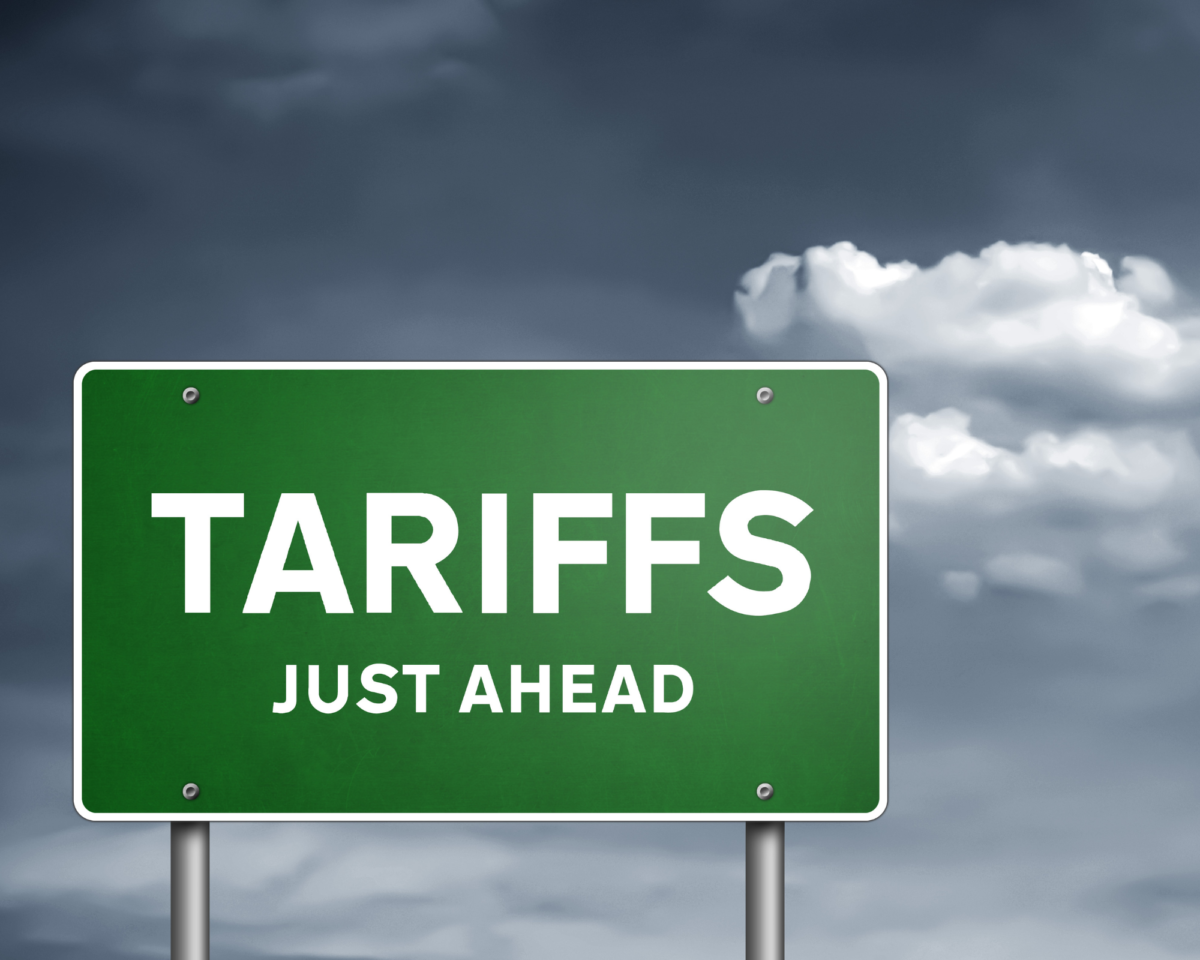
The Tariff Effect in Action: Impact on Businesses
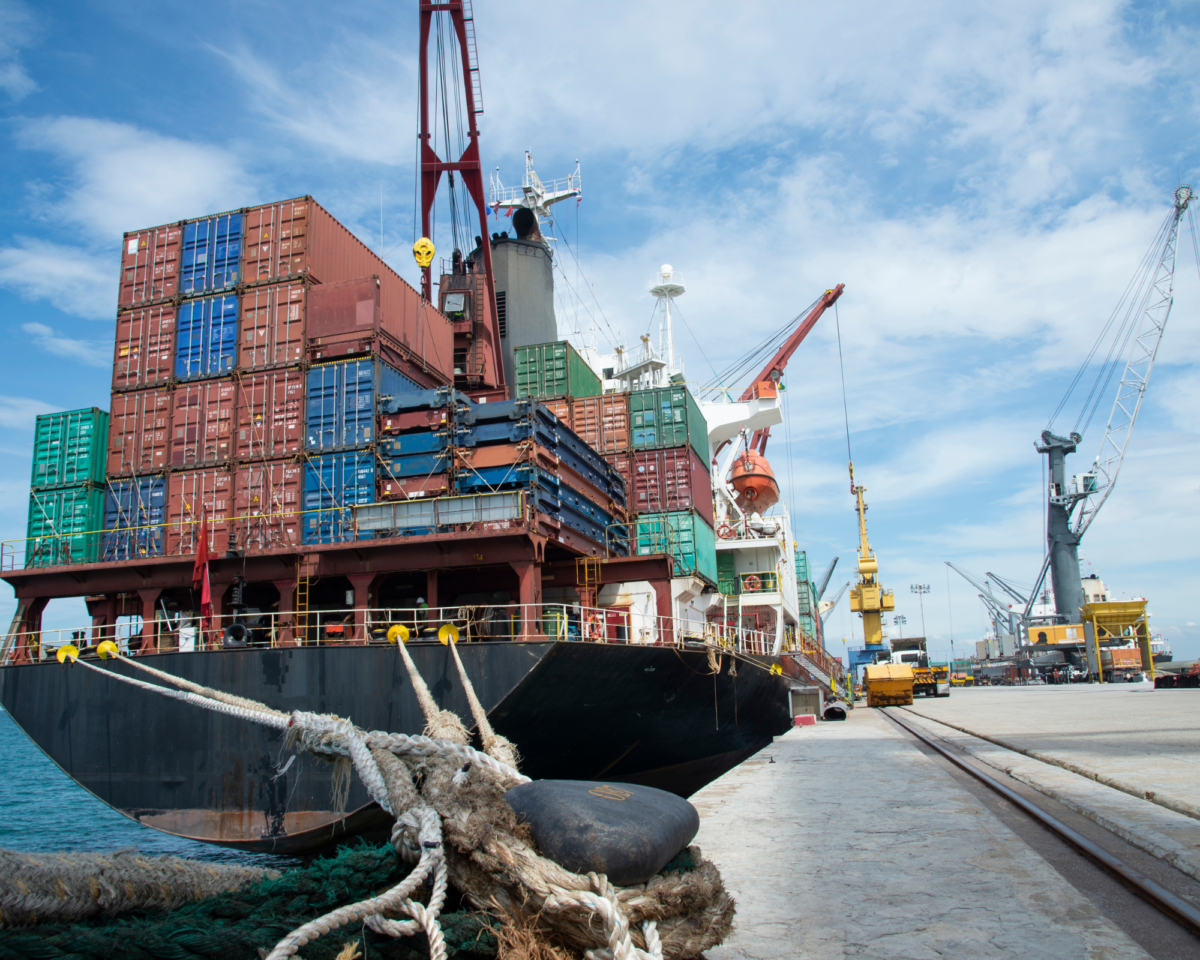
Trade’s pretty straightforward: we exchange goods we lack. The U.S. imports lumber, oil, natural gas, electricity, and some of the best seafood—like lobster and salmon—from Canada because we’ve got plenty to share. Imagine you’re Bob, a construction company owner in Michigan. You’ve been importing $1,000 worth of Canadian lumber to build houses (a small order for this example, but bear with me). With today’s 25% tariff now in play, you’re coughing up an extra $250 to your government on top of the $1,000 you’re paying Canada. That’s $1,250 total for the same stack of wood. Brutal, right? Bob’s got a dilemma: stop ordering because the numbers don’t add up, risking fewer projects, lost sales, and maybe layoffs—or keep buying and hike prices for the folks buying your houses. Either way, the tariff effect burns. Meanwhile in Canada? If Bob backs out, we lose a customer. Reduced demand shrinks income, putting pressure on our lumber industry. It’s a lose-lose scenario.

How about a different example? Say you’re Jane, living in the northeastern U.S., where your electricity comes from Canadian hydropower. Your utility company’s now stuck paying tariffs, so your bill’s sneaking up. You’re annoyed, they’re stressed, but the government? They’re pocketing the tariff with a smile. Way back—like before World War I—tariffs made sense, funding operations when income tax didn’t exist. Fair enough. But now, with income tax and tariffs piling on, especially for stuff we can’t just make ourselves? It’s like getting taxed twice, and the tariff effect smacks everyone—consumers, businesses, you name it—except the folks collecting the revenue.
Why Small Businesses Feel the Financial Pinch
For small businesses, this is a significant challenge. Costs are climbing, margins are shrinking, and marketing might feel like the first thing to cut. But hold up—marketing’s not a splurge right now; it’s your secret weapon to navigate the tariff effect. Budgets are tight, and I get that hiring help might seem impossible. So, I’m sharing some free strategies, plus an incentive: I’m offering 25% off our marketing services if you need professional assistance. Otherwise, use these 5 marketing adjustments to keep your business thriving through this tariff storm:
- Target Smarter, Not Harder – Refine your focus and lock in on local customers who are less affected by the tariff drama. Wasting effort on the wrong crowd is like tossing cash into a shredder—focus is key.
- Sell the Value, Not Just the Product—Are prices rising? Highlight what sets you apart: quality, durability, or unique appeal. Customers invest in what they trust.
- Leverage Low-Cost Digital Tools—Skip expensive campaigns and use affordable digital channels like social media or email blasts. These have high reach and low cost.
- Bundle It Up – Ease the pain of price hikes with deals or packages. A small discount or added benefit keeps customers feeling valued.
- Get Real with Your Story—Be transparent about the challenges of the tariff effect. Showing resilience and commitment builds trust quickly.
You’ve Got This—Tariffs Won’t Last Forever
Tariffs are a drag, no doubt—especially now that they’re live as of today. They’re driving up costs and making us all a bit crankier. But they won’t stick around forever (fingers crossed, toes too), and history shows businesses have adapted to storms like this before—think post-WWI trade shifts or the Great Depression’s recovery. Small businesses like yours can navigate the tariff effect and come out stronger with the right tools. If you’re tackling marketing solo, rethink your approach—tweak it, test it, make it outstanding. And if you’re swamped and need backup, I’m here with that 25% discount to help you through. Drop me a line today, share your own tariff struggles in the comments, and let’s keep your business thriving, tariffs or not!
Your Brand, Your Story
Leave a Reply